
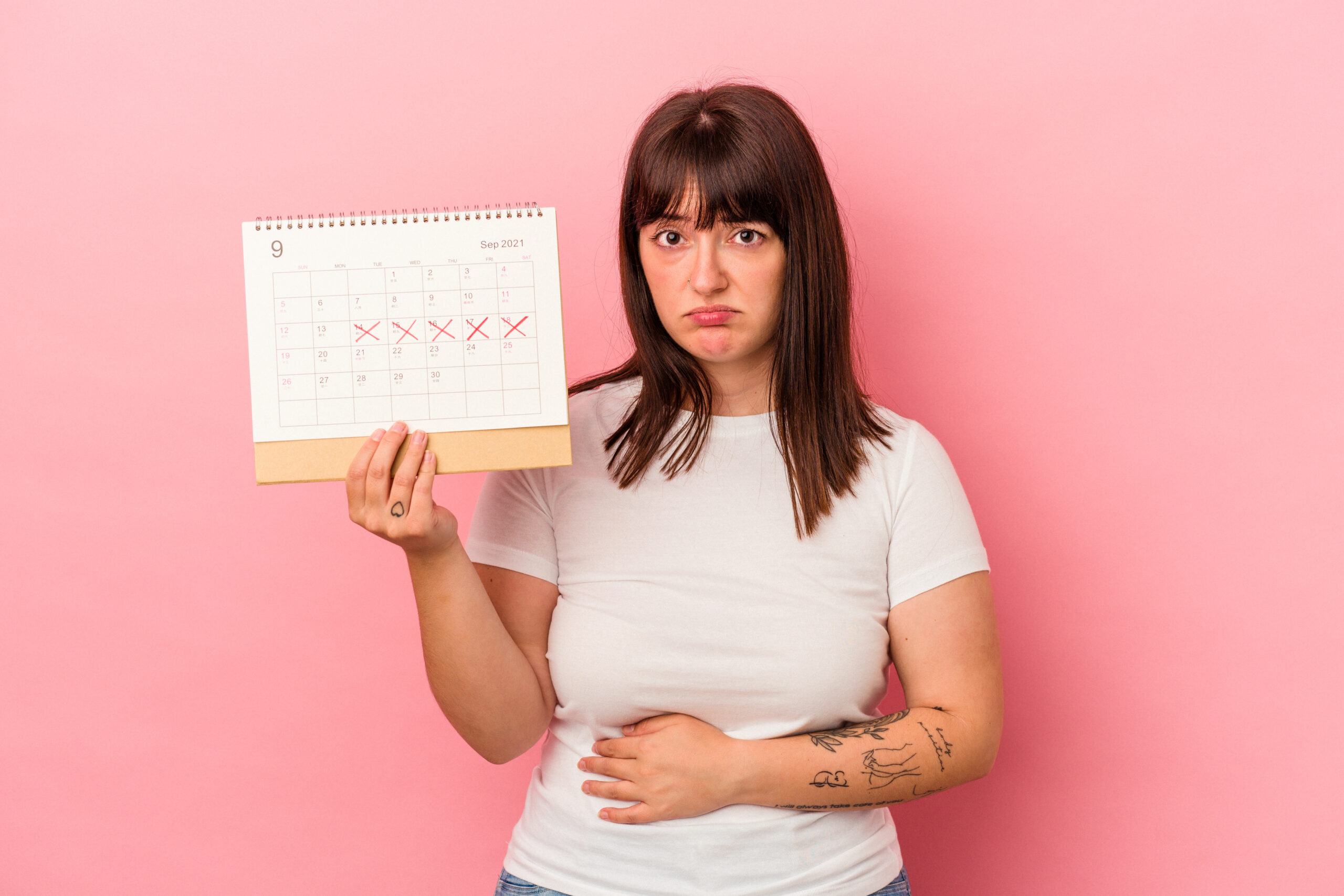
What Are Menstrual Irregularities?
Menstrual irregularities are changes in a person’s normal period cycle. Usually, a period comes every 21 to 35 days. However, some people may have periods that come too often, too far apart, or last longer than usual. Sometimes, periods may stop for a while or become very heavy. Because these changes can affect daily life, it is important to understand them.
Common Symptoms of Menstrual Irregularities
Many people notice changes in their periods at some point. For example, you may see:
Additionally, some may feel tired or notice mood changes. If you see any of these signs, it helps to track your cycle.
Causes and Risk Factors
There are many reasons for irregular periods. Sometimes, simple changes in daily life can cause them. Other times, health problems may be the reason. Here are some common causes:
In some regions, diet and access to healthcare may also play a role. According to the World Health Organization (WHO), many women worldwide face period problems due to these factors.
How Are Menstrual Irregularities Diagnosed?
First, your doctor will ask about your period history. They may want to know when your periods started, how often they come, and any changes you have noticed. Next, a physical exam may be done. Sometimes, blood tests check hormone levels or rule out other problems. In some cases, an ultrasound helps look at the uterus and ovaries. Because each person is different, your doctor will choose the best tests for you.
Treatment Options for Menstrual Irregularities
Treatment depends on the cause. For many, simple changes can help. However, some may need medicine or other care. Here are common options:
Sometimes, treating the main health problem will fix the period issues. For example, managing PCOS or thyroid disease can help regulate periods. Always talk to your doctor before starting any treatment.
Prevention Tips and Healthy Habits
Although not all period problems can be prevented, healthy habits may lower your risk. Try these tips:
In addition, avoid skipping meals and drink plenty of water. These steps can support your overall health and may help regulate periods naturally.
When to See a Doctor
Sometimes, menstrual irregularities are not serious. But, you should see a doctor if you:
Early care can help find and treat any health problems. If you are unsure, it is always best to ask a healthcare provider.
Conclusion
Menstrual irregularities are common, but they can affect your daily life. Because many causes exist, it is important to track your periods and talk to a doctor if you notice changes. With the right care and healthy habits, most people can manage their symptoms.
Consult a healthcare provider at Lakshmi Sai Clinic for personalized advice on menstrual irregularities.