
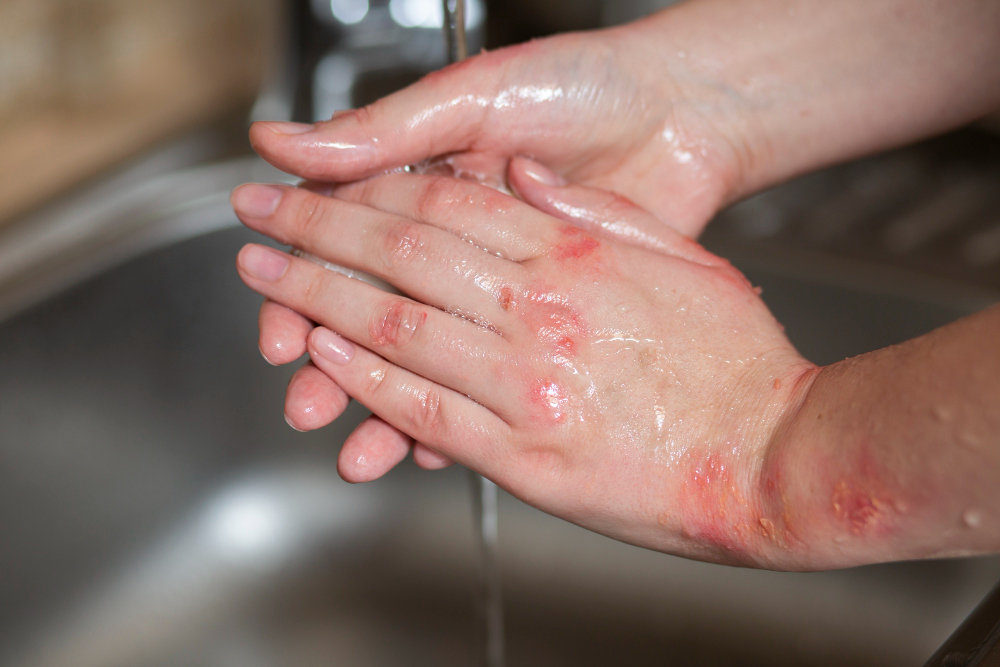
What is Eczema?
Eczema is a common skin condition that causes dry, itchy, and inflamed skin. Many people experience eczema symptoms at some point in their lives. Although it can affect anyone, it often starts in childhood. Eczema is not contagious, so you cannot catch it from others. However, it can be uncomfortable and sometimes hard to manage. Learning about eczema treatment and how to manage eczema can help you control symptoms and improve your quality of life.
Common Symptoms of Eczema
Recognizing eczema symptoms early can help you seek the right care. While symptoms may vary, most people notice the following:
Sometimes, symptoms can flare up and then improve. For example, stress or certain soaps may make eczema worse.
Causes and Risk Factors
Doctors do not know the exact cause of eczema. However, several factors can increase your risk. For instance, genetics play a role. If a parent has eczema, their child is more likely to get it. In addition, the immune system may overreact to irritants or allergens. This can lead to inflammation and itchy skin.
Common risk factors include:
According to the CDC, eczema is more common in children but can affect adults as well.
How Eczema is Diagnosed
Doctors usually diagnose eczema by looking at your skin and asking about your symptoms. There is no single test for eczema. However, your doctor may ask about your family history or any allergies. Sometimes, they may suggest allergy tests to rule out other conditions. In rare cases, a skin biopsy may be needed. This helps confirm the diagnosis and rule out other skin problems.
Treatment Options for Eczema
Effective eczema treatment focuses on relieving symptoms and preventing flare-ups. While there is no cure, many options can help manage eczema:
Sometimes, doctors may prescribe stronger medicines if symptoms do not improve. Always follow your healthcare provider’s advice for the best results.
Lifestyle Tips and Home Care
In addition to medical treatment, simple home care steps can help manage eczema. For example, you can:
These tips can make a big difference in your daily comfort.
Preventing Eczema Flare-Ups
Although you may not be able to prevent eczema completely, you can reduce flare-ups. For instance, try to avoid triggers that make your symptoms worse. Common triggers include harsh soaps, extreme temperatures, and stress. In addition, keeping your skin well-moisturized helps protect it from drying out.
With these steps, you can help keep your eczema under control.
When to See a Doctor
In summary, sometimes home care is not enough for eczema. If symptoms worsen or do not improve, or if you notice signs of infection such as increased redness or swelling, pus or yellow crusts, fever, or feeling unwell, seek help early. Prompt treatment can prevent complications and help you recover faster.
For personalized eczema management and advice, consult Lakshmi Sai Clinic. Our team can help you find the right treatment plan for your needs.