
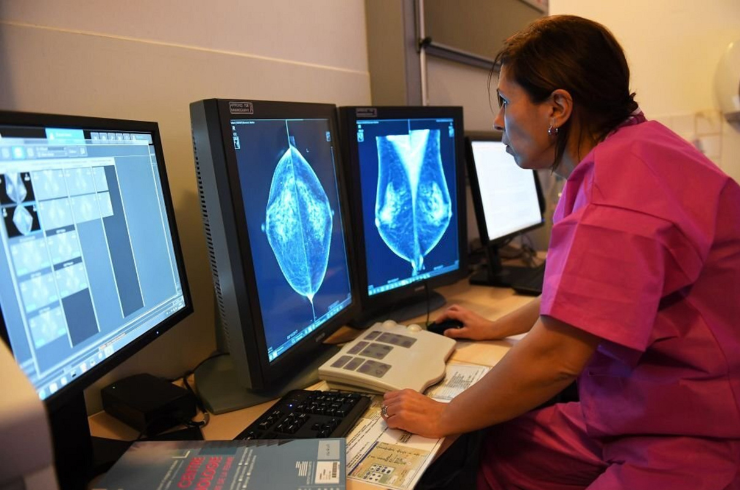
An angiogram, also known as coronary angiography, is a specialized diagnostic procedure used to visualize blood flow through the coronary arteries. It helps identify narrowing, blockages, or abnormalities in the blood vessels supplying the heart. Angiography is considered the gold standard for diagnosing coronary artery disease and plays a crucial role in planning appropriate cardiac treatment.
An angiogram is performed to accurately assess the condition of the coronary arteries when non-invasive tests indicate possible heart disease. It provides detailed images that allow cardiologists to determine the severity and location of arterial blockages.
An angiogram helps in:
Diagnosing coronary artery disease
Evaluating causes of chest pain or breathlessness
Assessing heart attack risk
Planning angioplasty or bypass surgery
Evaluating stent or graft patency
Assessing congenital or structural vessel abnormalities
The procedure is minimally invasive and performed in a specialized catheterization laboratory. A thin catheter is inserted through the wrist or groin and guided to the coronary arteries. A contrast dye is injected, and X-ray imaging captures real-time blood flow through the arteries.
An angiogram is recommended for:
Patients with persistent or severe chest pain
Individuals with abnormal ECG, TMT, or Echo findings
Patients with suspected coronary artery disease
High-risk patients with diabetes or hypertension
Patients with previous heart attacks
Evaluation before interventional procedures
Highly accurate diagnosis
Real-time visualization of blood vessels
Helps decide immediate treatment
Minimally invasive with quick recovery
Life-saving diagnostic information
Angiography guides cardiologists in choosing the most effective treatment strategy, whether medication, angioplasty, or surgical intervention. It ensures timely and targeted care.
Advanced catheterization facilities
Experienced cardiology supervision
Safe, sterile, and monitored procedure environment
Accurate reporting and prompt clinical decisions
Angiography remains an essential diagnostic tool for early detection and effective management of coronary artery disease, helping prevent major cardiac events and improve patient outcomes.
Powered By