Introduction to Acne Vulgaris (Pimples)
Acne Vulgaris, often called pimples, is a common skin problem. It affects many teenagers and adults. In fact, the World Health Organization notes that acne is one of the most frequent skin conditions worldwide. Although it is not dangerous, acne can cause stress and lower self-esteem. For this reason, understanding acne vulgaris is important for everyone. This blog explains what acne vulgaris is, its symptoms, causes, and how to treat it. You will also find tips on how to prevent acne and keep your skin clear.
Common Symptoms
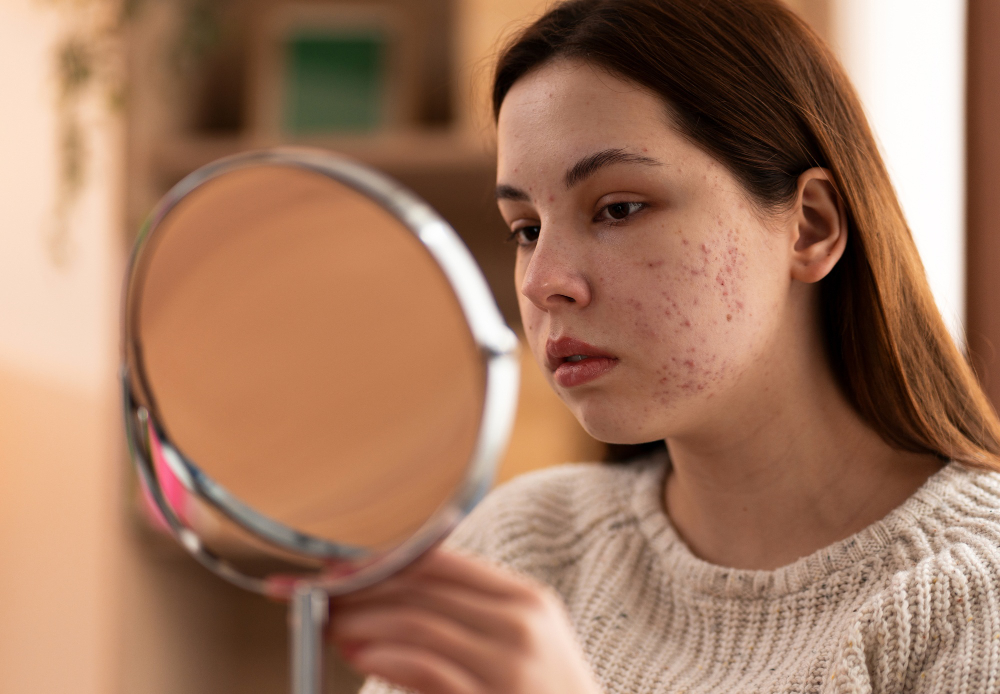
Acne vulgaris shows up in different ways on the skin. Usually, it appears on the face, but it can also affect the back, chest, and shoulders. For example, you may notice:
Sometimes, acne can cause skin redness or swelling. In some cases, it may leave scars if not treated properly. However, most people only have mild symptoms.
Main Causes
Many factors can lead to acne vulgaris. However, the main causes include:
Additionally, genetics can play a role. If your parents had acne, you might be more likely to get it too. Although diet is sometimes blamed, research is still ongoing about its exact effect on acne.
Diagnosis Methods
Doctors usually diagnose acne vulgaris by looking at your skin. They check the type and number of pimples. Sometimes, they ask about your medical history or family history. In rare cases, a doctor may suggest tests to rule out other skin problems. However, most people do not need special tests for acne diagnosis.
Treatment Options
There are many acne vulgaris treatment options. Your doctor may suggest one or more of the following:
For severe acne, a dermatologist may recommend stronger medicines. However, it is important to follow your doctor’s advice and not pick or squeeze pimples. This can help prevent scars and infections.
Prevention Tips
Although you cannot always prevent acne, you can lower your risk. Try these tips:
With these steps, you can help keep your skin clear. For more advice, search for “how to prevent acne” or “dermatology tips for clear skin.”
Lifestyle Guidance
Healthy habits can support your skin. For example, manage stress with exercise, yoga, or meditation. Also, get enough sleep each night. If you sweat, shower soon after to keep pores clean. Additionally, avoid harsh scrubbing or strong soaps. These can irritate your skin and make acne worse. Remember, gentle care is best for acne-prone skin.
When to See a Dermatologist
Sometimes, home care is not enough. You should see a dermatologist if:
In these cases, a skin doctor can offer personalized acne vulgaris treatment. If you live in a city, search for “acne treatment in [Your City]” to find local experts. Early treatment can prevent scars and boost your confidence.
For the best results, consult Dr. Pallavi for personalized acne treatment and advice.