
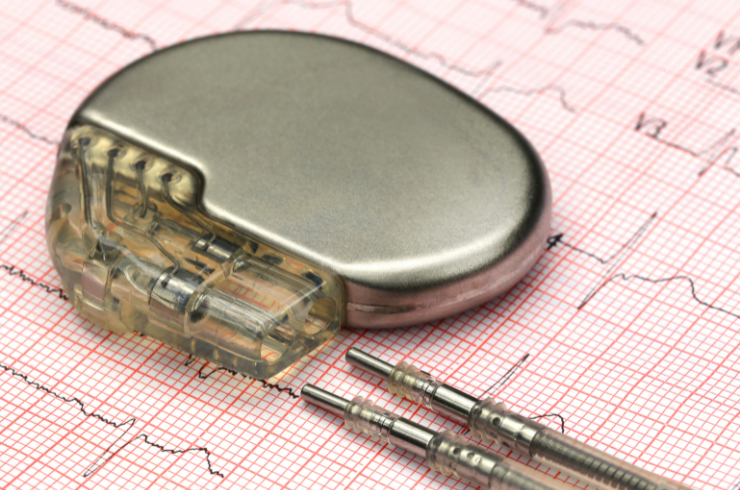
A Permanent Pacemaker is a small, implantable medical device used to regulate abnormal heart rhythms, especially when the heart beats too slowly, irregularly, or pauses intermittently. Pacemaker implantation is a proven and effective treatment for various rhythm disorders that can cause fatigue, dizziness, fainting, or even life-threatening complications. The procedure helps restore a stable heart rhythm and significantly improves a patient’s quality of life.
The heart’s natural electrical system controls heartbeat timing. When this system fails or becomes weak, a pacemaker takes over by sending controlled electrical impulses to maintain a normal heart rate.
A permanent pacemaker is recommended for conditions such as:
Bradycardia (slow heart rate)
Complete or partial heart block
Sick sinus syndrome
Fainting due to rhythm disturbances
Post-heart attack rhythm abnormalities
Drug-induced slow heart rhythm
Based on the patient’s condition, different pacemaker types may be used:
Single-chamber pacemaker – Regulates one heart chamber
Dual-chamber pacemaker – Coordinates both atrium and ventricle
Rate-responsive pacemaker – Adjusts heart rate based on activity
Pacemaker implantation is a minimally invasive procedure performed under local anesthesia. A small incision is made near the collarbone, and leads are guided into the heart through a vein. The pacemaker device is then connected and placed beneath the skin.
Restores regular heart rhythm
Reduces symptoms like dizziness and fainting
Improves exercise tolerance and daily activity
Prevents serious rhythm-related complications
Enhances overall heart function
Patients can resume normal activities after recovery with certain precautions. Regular follow-up visits are essential to monitor pacemaker function and battery life. Modern pacemakers are durable, reliable, and compatible with most daily activities.
Pacemakers are suitable for:
Elderly patients with conduction disorders
Individuals with recurrent fainting episodes
Patients with documented rhythm abnormalities
Those unresponsive to medication therapy
Advanced pacemaker implantation techniques
Experienced cardiology supervision
Comprehensive pre- and post-procedure care
Patient education and long-term follow-up
Permanent pacemaker implantation is a safe, life-enhancing solution for managing heart rhythm disorders, ensuring stability, safety, and improved quality of life for patients requiring long-term rhythm support.
Powered By